
Pretty Ads Do Not Always Sell: How to Design Creatives That Convert
An ad has seconds to earn attention—but clarity determines whether attention becomes action.

Start with the audience problem
A decorative headline about your company may not stop the right person. Lead with a recognisable problem, desire or decision the customer is already considering.
One ad, one job
Choose whether the creative should create curiosity, explain value, show proof or drive a direct enquiry. Trying to complete the entire sales journey in one image creates clutter.
Build a fast visual hierarchy
The viewer should notice the hook first, supporting visual second and action third. Reduce competing badges, icons, fonts and colour treatments.

Use relevant proof
Real product use, process, customer context or a specific demonstration is stronger than generic praise. Obtain permission and avoid unsupported claims.
Connect the CTA to the message
“Learn more” may be too vague. Tell users what happens next: view packages, request an audit, check eligibility or ask for a quote.
Design for placement
Feed, story, reel and display formats require different crops, safe zones and text density. Do not simply stretch one layout.
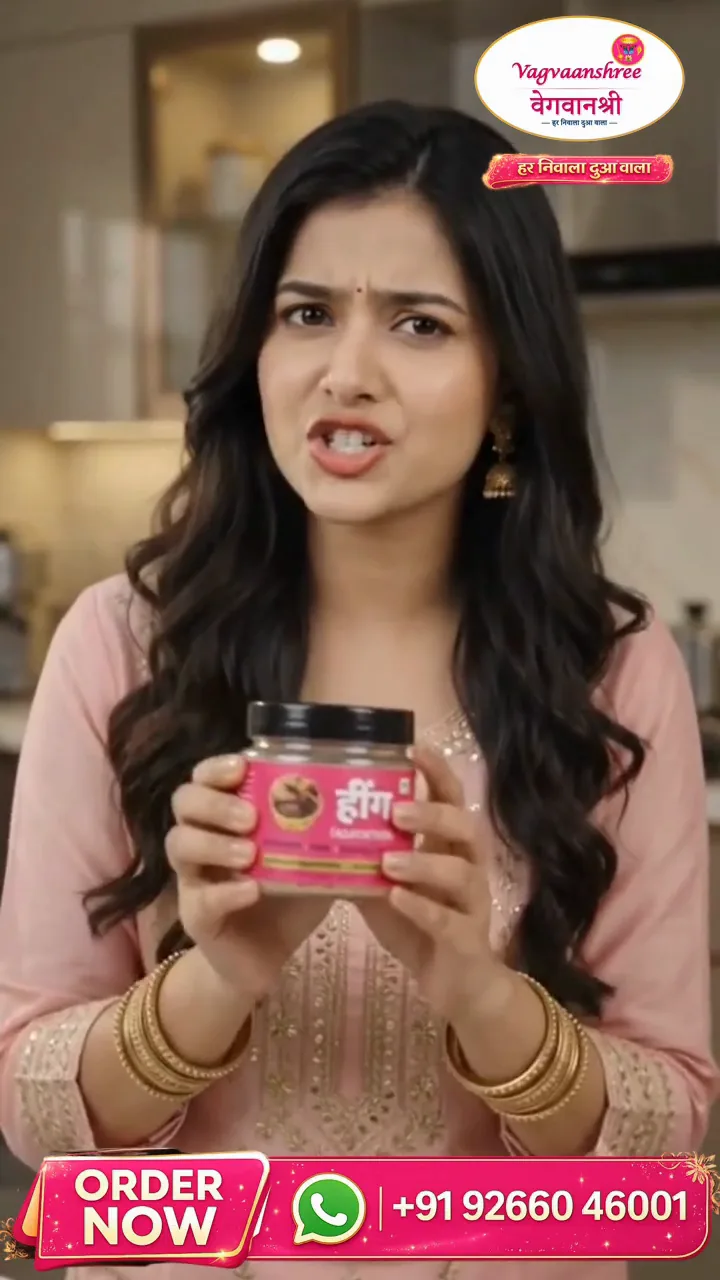
Create useful variations
Test different hooks and proof styles while keeping the offer stable. This reveals which message moves the audience.
Judge downstream quality
The cheapest click is not always the best lead. Review conversation quality, proposal rate and closed revenue with the creative source.
Common questions
Include price when it helps qualify buyers and the offer is simple. Test both approaches when uncertain.
Create meaningful variations of hook, visual, proof and offer rather than changing only button colour.
Turn this advice into a clear design system.
Explore Circle Design ad creative design or share your current brand for a focused review.
Was this guide useful?
Share your question or practical experience. Your message will be delivered privately to Circle Design on WhatsApp; public comment storage requires a separate backend.